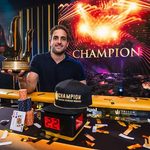
High-stakes poker has never been more visible or more difficult to enter. Million-dollar cash game pots and six-figure tournament buy-ins now provide regular content for livestreams, social media clips and subscription platforms.
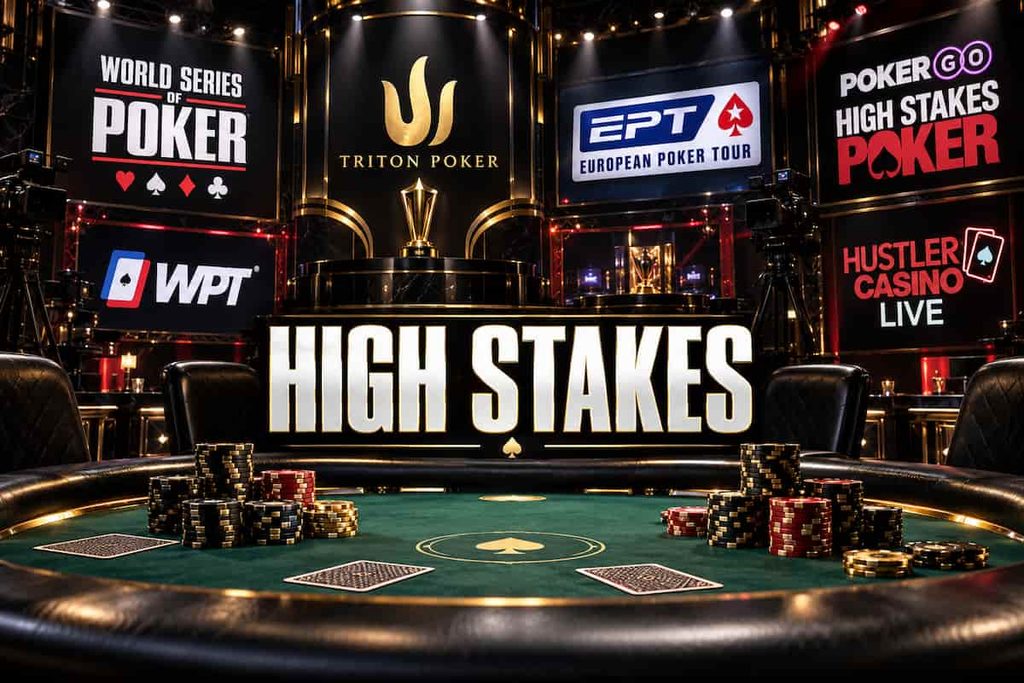
The players occupying those seats did not all take the same route. Some began in freerolls or low-stakes games, while others arrived with money earned through finance, technology or gambling businesses.
Selecting the ten most famous high-stakes players is inevitably subjective. This list considers current media exposure, livestream appearances, social reach, major tournament coverage and wider recognition rather than simply ranking recorded winnings.
Tournament cashes are also not the same as personal wealth. Public figures rarely reveal how much of their own action they have, while expenses, backing agreements, swaps, taxes and losing entries can consume a substantial share of headline winnings.
10. Ossi “Monarch” Ketola

Ossi Ketola has become the most dramatic new arrival in televised high-stakes poker. His enormous heads-up matches, outspoken personality and willingness to gamble for eight-figure sums have turned the Finnish businessman into a major attraction.
Ketola did not grind through small poker games to build his original fortune. He began working in the gaming industry as a teenager and founded CSGOEmpire, a platform built around the trading and gambling of Counter-Strike digital items.
That business success gave Ketola access to games that most professional players could never afford independently. He has subsequently demonstrated that he is more than a wealthy enthusiast, competing against specialists including Dan “Jungleman” Cates, Wiktor Malinowski and Patrik Antonius.
His September 2026 match against Antonius was played for a combined $20 million. Ketola won the encounter, including a remarkable final pot worth $15.92 million in which he made a straight flush.
Ketola’s journey is therefore different from that of the traditional poker professional. He accumulated wealth outside poker before using the game’s largest public stage to test himself against elite opposition.
9. Nik “Airball” Arcot
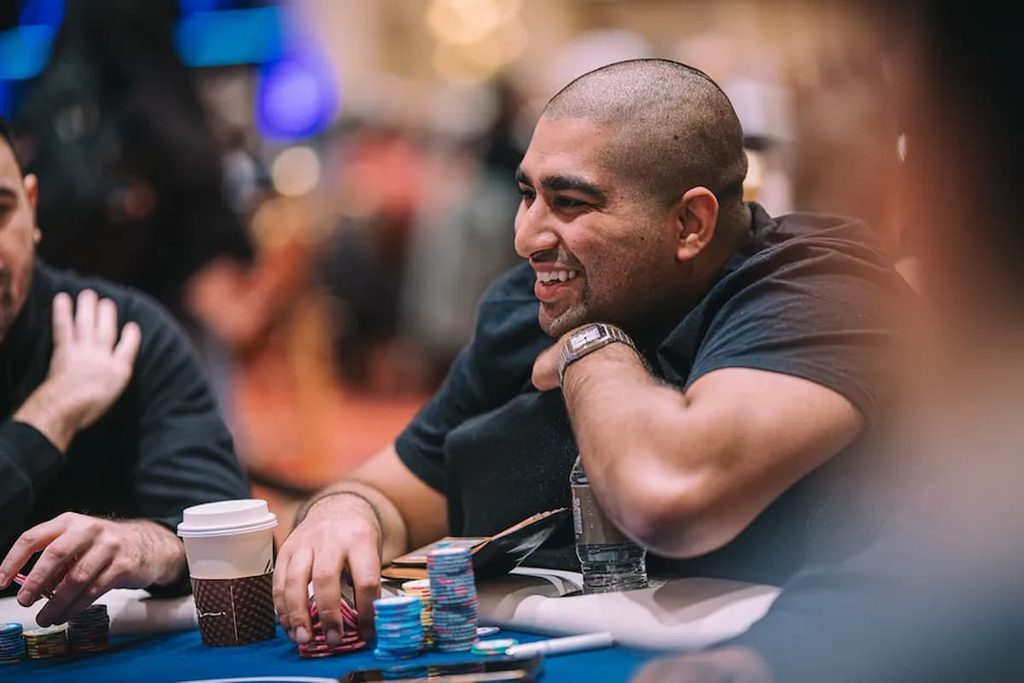
Nik Airball became famous through Hustler Casino Live, where his aggressive play and willingness to speak his mind made him impossible to ignore. He has since appeared on High Stakes Poker and in numerous streamed cash games.
Arcot did not begin as an independently wealthy casino owner or technology founder. After graduating from NYU Shanghai, he worked in investment banking and has said that he earned a substantial income before leaving the industry.
Poker initially became an increasingly serious interest alongside his professional career. Access to private games, relationships with other players and his readiness to play volatile lineups helped move him into televised high stakes.
Questions remain about how much of his action he owns in the largest games. That uncertainty is not unique to Airball, since staking, borrowing and private financial arrangements are common but rarely disclosed in cash poker.
His route still illustrates how the modern high-stakes scene can reward more than technical ability. Personality, connections and a willingness to create action can be almost as important as a player’s results.
8. Ethan “Rampage” Yau
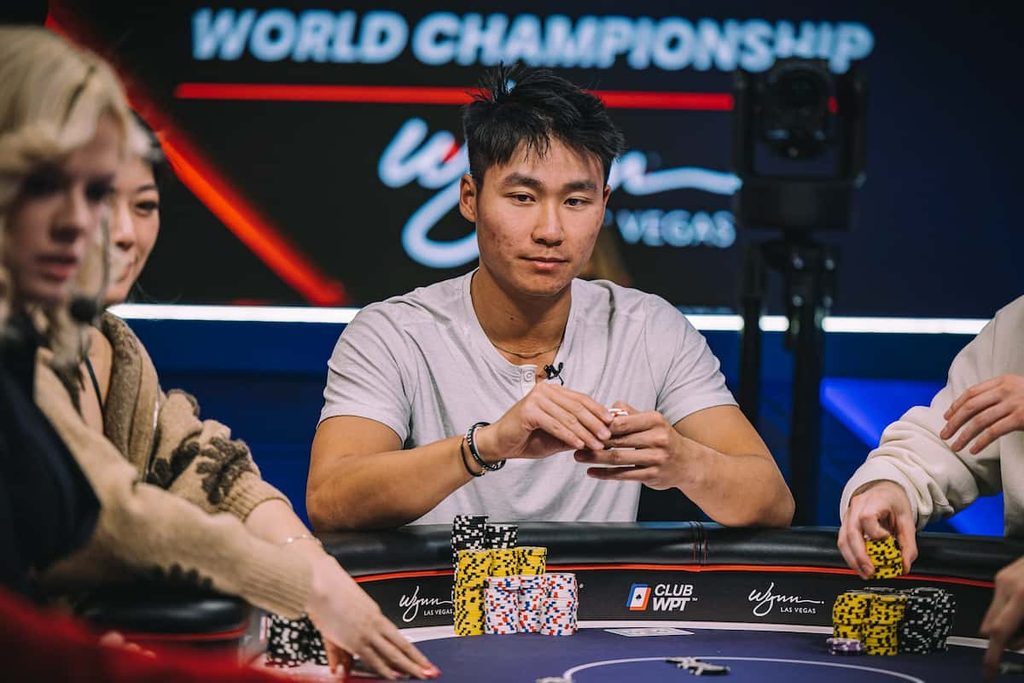
Ethan Yau provides one of the clearest examples of a modern player building both a bankroll and an audience. He began playing poker in late 2018 before documenting his progress on the Rampage Poker YouTube channel.
Yau’s early videos featured accessible casino games rather than invitation-only nosebleed action. His results, tournament victories and expanding audience gradually carried him into much larger games.
The content became part of the journey rather than simply a record of it. Advertising revenue, partnerships and the commercial value of his audience created opportunities that would not have existed for an anonymous low-stakes grinder.
Yau also won major tournaments, including a World Series of Poker bracelet and a WPT World Championship festival high roller. Those results gave him poker credibility beyond his subscriber count.
However, his move into high stakes has included severe swings and public questions about bankroll management. Yau’s story proves that it is still possible to climb, but it also shows the financial danger of allowing the size of the content to dictate the size of the game.
7. Andrew Robl
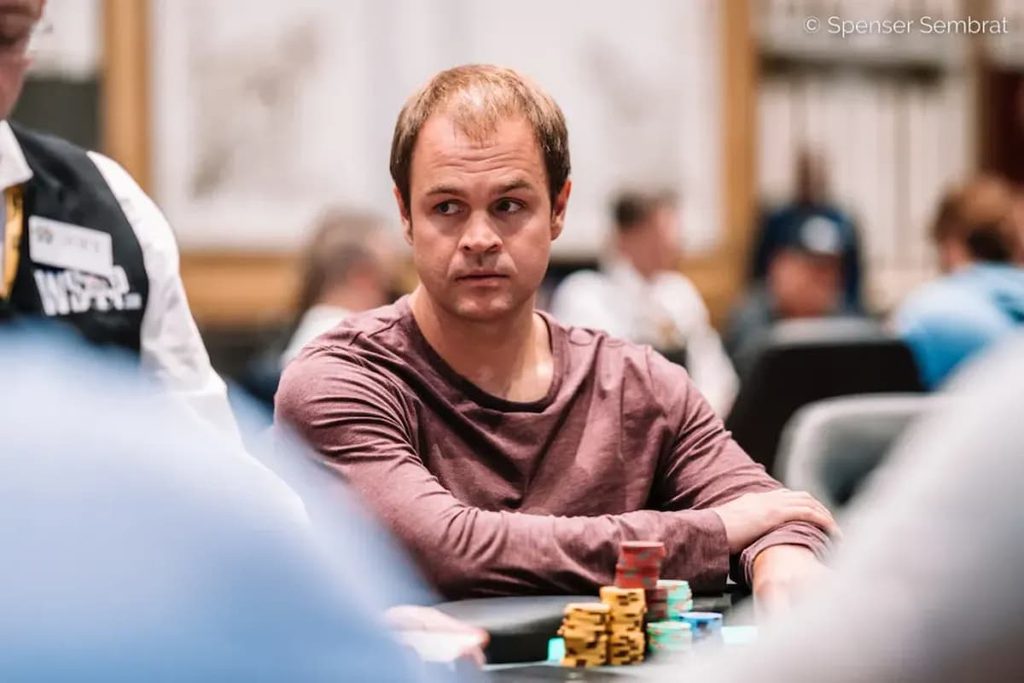
Andrew Robl was an online poker grinder before he became a fixture in the largest televised cash games. Playing under the name “good2cu,” he developed his game online during the poker boom and built a bankroll in cash games and tournaments.
Robl left college and moved to Las Vegas to pursue poker professionally. His progression was based on years of playing, studying and establishing himself in increasingly difficult games.
Unlike players who rely on tournament visibility, Robl built much of his reputation in private cash games. His calm manner and deep-stack experience made him a natural fit for High Stakes Poker, Triton cash games and other televised lineups.
Robl’s profile received another boost in 2026 when he contested a $2.48 million pot against Eric Wasserson. At the time, it was the largest pot shown in High Stakes Poker history.
He is among the strongest examples of a player who genuinely ground his way into the nosebleeds. That does not mean every chip in front of him is necessarily his own, but his original route came through poker rather than inherited or business wealth.
6. Stephen Chidwick

Stephen Chidwick represents the less theatrical side of high-stakes poker. He does not court controversy or dominate conversations, but his relentless appearances in the world’s most expensive tournaments have made him synonymous with the modern super high roller circuit.
Chidwick’s route began at the opposite end of the financial spectrum. The English professional has said that he started with online freerolls and built his bankroll without initially making a deposit.
Early online results allowed him to move into larger tournaments. He recorded a significant live breakthrough at the 2008 PokerStars Caribbean Adventure and later established himself in WSOP, European and high-roller fields.
By September 2026, Chidwick had passed $80 million in recorded live tournament cashes. Only a fraction of that figure can safely be treated as personal profit, but his sustained results across hundreds of elite events separate him from players dependent on one enormous score.
Chidwick’s rise remains the closest thing on this list to the pure grinder’s dream. He started with free entry tournaments, improved over many years and eventually became one of the players wealthy amateurs most want to invite.
5. Alan Keating
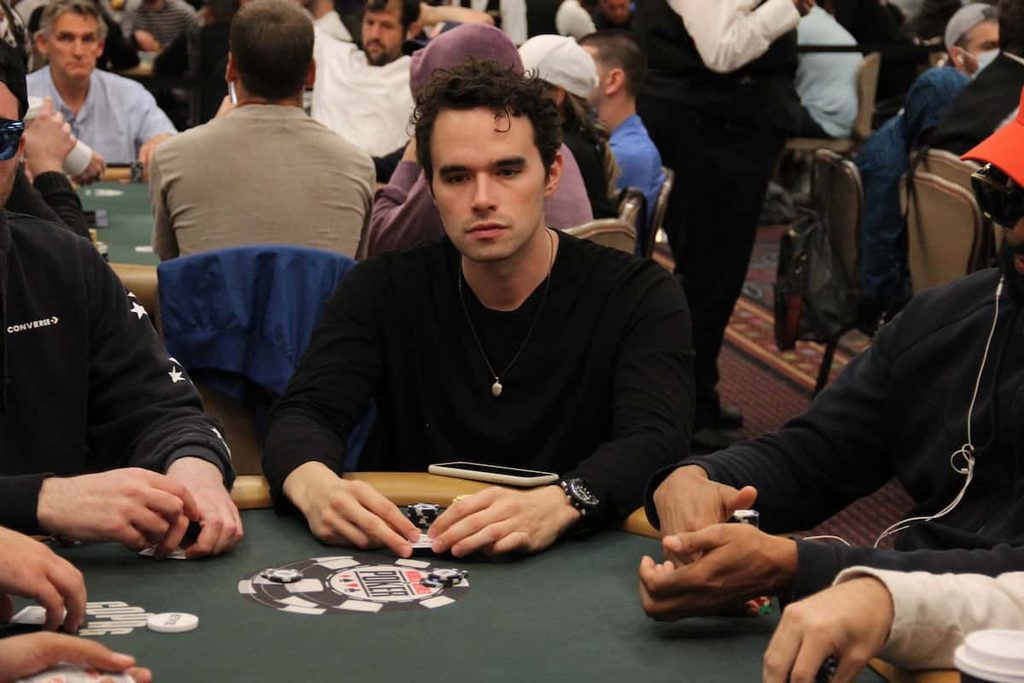
Alan Keating has become one of the most popular figures in streamed cash poker. His extremely loose style creates huge pots, while his relaxed response to six-figure swings has made him a favourite with viewers and game organisers.
Keating’s financial background is much less transparent than those of several other players. Reports have linked him with finance and investment activity, but there is no reliable public account that fully explains his wealth or current net worth.
It would therefore be misleading to state confidently that Keating made his fortune on Wall Street or entirely through poker. What is documented is that he has been playing serious poker for many years and recorded tournament cashes long before his recent livestream fame.
Keating won a $1.4 million pot on High Stakes Poker in 2025 and has repeatedly played games in which a single decision can be worth several houses. His appetite for risk is a major reason he continues to receive invitations.
His story demonstrates another reality of high-stakes cash poker. A strong player who gives action and keeps wealthy opponents entertained may gain access to better games than a technically superior professional who makes the table less appealing.
4. Tom Dwan
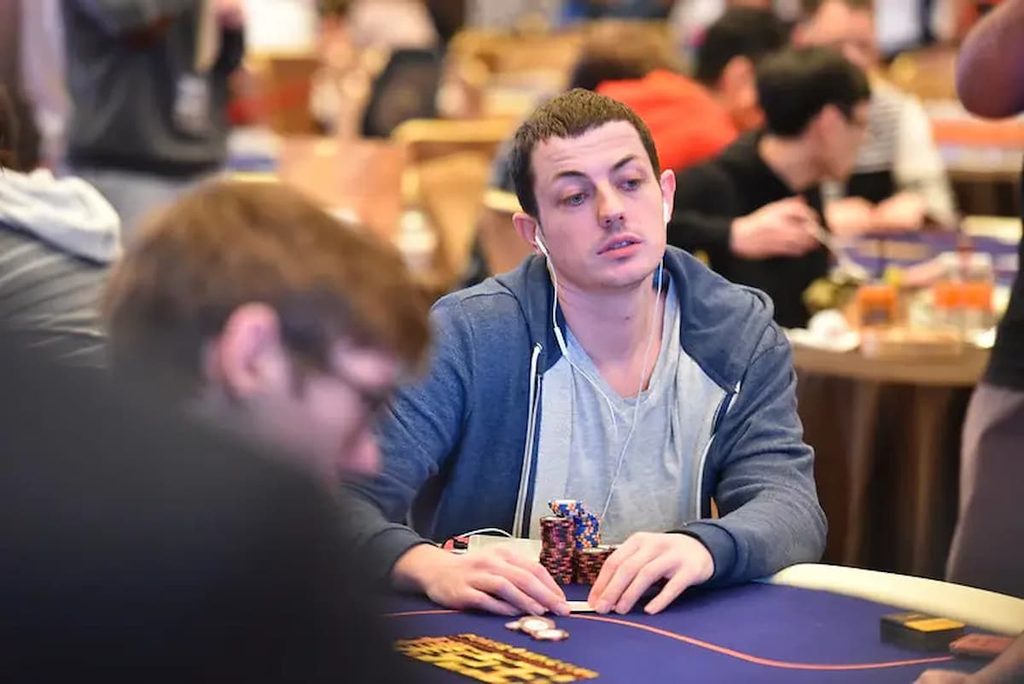
Tom Dwan remains famous enough that any rare public appearance becomes poker news. His “durrrr” screen name still evokes the most aggressive years of the online poker boom.
Dwan’s story began with a deposit reportedly worth just $50. He initially played sit-and-go tournaments before moving through cash games and eventually reaching the largest heads-up tables on Full Tilt Poker.
By 2008, tracking records showed Dwan winning more than $5 million in online cash games during that year alone. His fearless style then made him a leading figure on High Stakes Poker and Poker After Dark.
Dwan later became closely associated with the enormous private games in Macau. Because results from those games were not public, stories about his wins, losses, debts and backing arrangements have often mixed documented facts with unverified speculation.
What is not in doubt is that Dwan did not arrive with a fortune from another industry. He climbed from a tiny online deposit to games containing millions of dollars, although the ownership of his action at different stages has never been completely public.
3. Phil Hellmuth
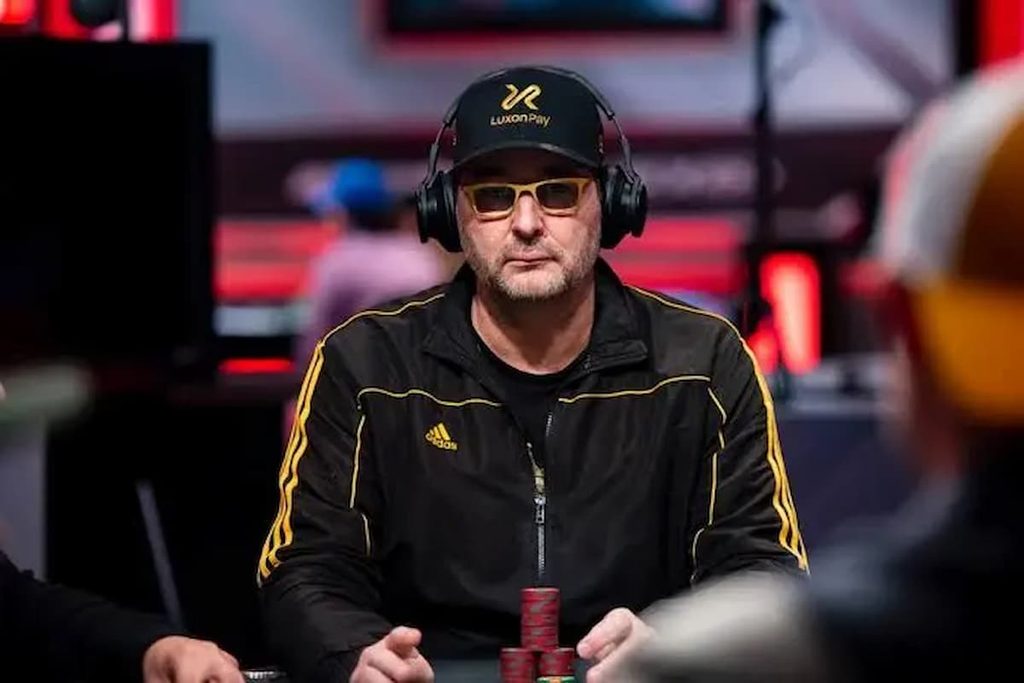
Phil Hellmuth built his fame through tournaments before converting it into opportunities across poker, media and business. His record 17 WSOP bracelets and confrontational “Poker Brat” persona have kept him visible for nearly four decades.
Hellmuth attended the University of Wisconsin for three years before leaving to play poker professionally. He had been winning in local games, but his early attempts to establish himself in Las Vegas included failures and forced retreats.
His breakthrough came in 1989, when he defeated defending champion Johnny Chan to win the WSOP Main Event. Hellmuth was only 24 and became the youngest Main Event champion at the time.
Poker winnings provided the original foundation for his wealth, but the Hellmuth business eventually extended far beyond playing. Sponsorships, books, public appearances, investments and relationships with wealthy entrepreneurs helped make his career less dependent on day-to-day results.
Hellmuth is not considered a regular in the toughest private cash games. However, his fame ensures that he can gain access to televised high-stakes lineups that would reject many technically stronger but commercially anonymous professionals.
2. Phil Ivey
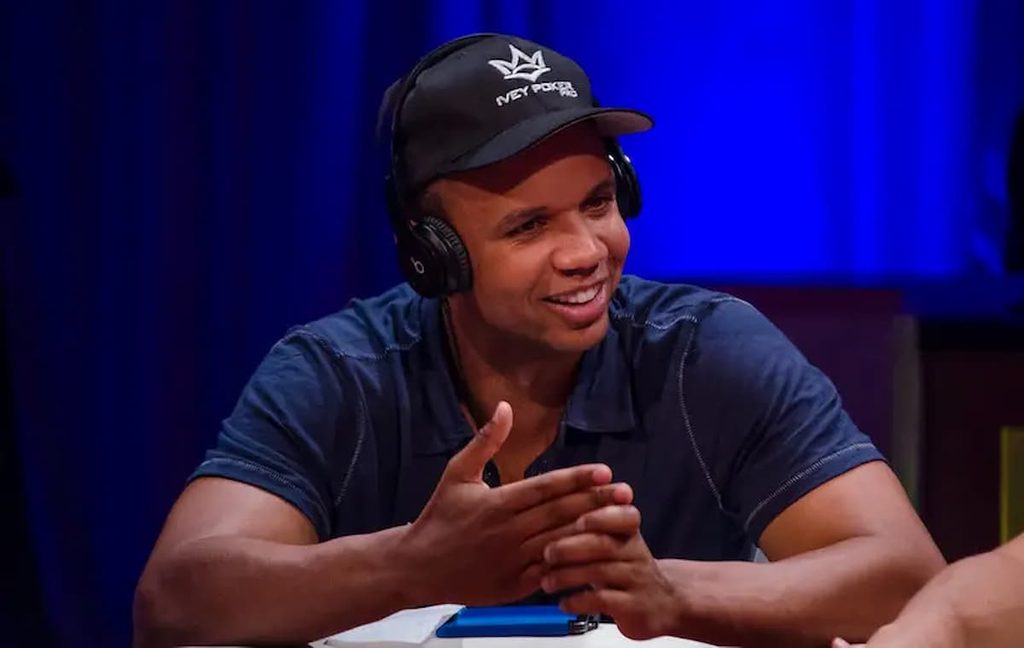
Phil Ivey developed his reputation by playing as much poker as he could, long before he had the bankroll or legal age for elite games. As a teenager, he used a false identification card bearing the name Jerome Graham to play in Atlantic City.
His dedication reportedly included extremely long sessions and nights spent close to the casinos. Ivey gradually overcame his early losses and became a formidable cash, tournament and mixed-game player.
Success at the WSOP and appearances during televised poker’s first boom turned him into an international star. Private games in Las Vegas and Macau subsequently placed him at the centre of poker’s true nosebleed economy.
Ivey has won 11 WSOP bracelets and accumulated more than $50 million in recorded live tournament cashes. Those numbers still capture only the public portion of a career built heavily around cash games.
He did not enter poker as a wealthy businessman. His wealth came primarily through poker, although casino gambling disputes and private results make any precise calculation of his net worth unreliable.
1. Daniel Negreanu
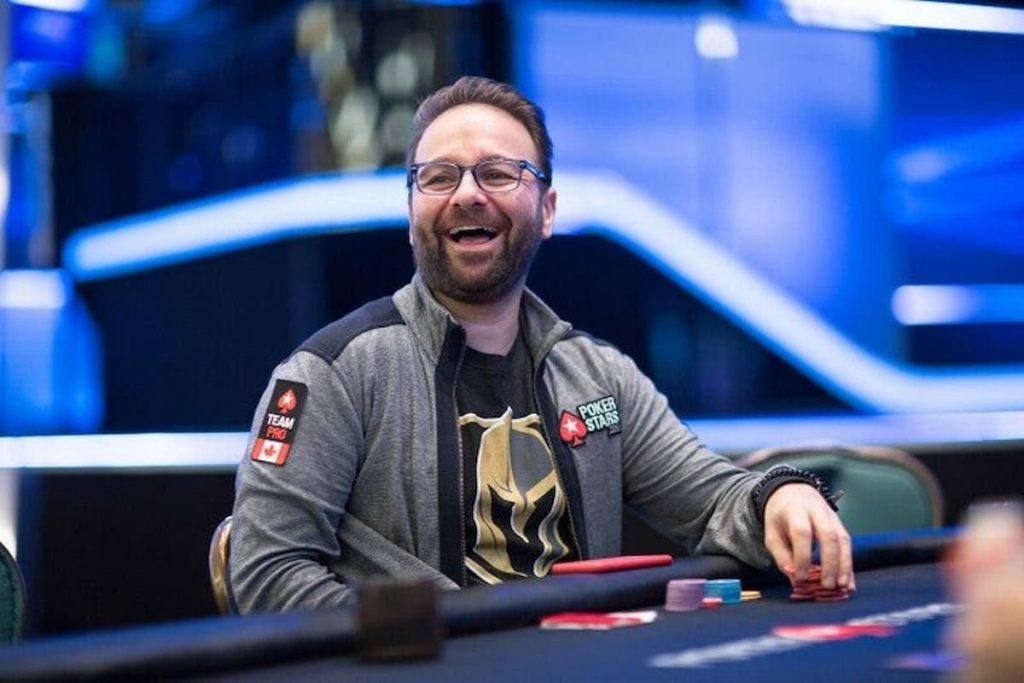
Daniel Negreanu remains the most publicly visible high-stakes poker player in 2026. His tournament schedule, WSOP video blogs, social media activity, interviews and Hustler Casino Live debut keep him in front of both casual and dedicated audiences.
Negreanu started in Toronto charity casinos and underground games after leaving school. He built a bankroll and moved to Las Vegas in his early 20s, but initially lost and returned home to rebuild.
That failure is an important part of his story. Negreanu did not have family wealth protecting him from poker’s swings, and his first attempt at becoming a Las Vegas professional ended with his bankroll gone.
He eventually returned, won his first WSOP bracelet in 1998 and became one of the defining personalities of the poker boom. Eight bracelets, two WPT titles and decades of sponsorship and media work followed.
Negreanu’s wealth now comes from several poker-related streams, including playing, sponsorships, content and investments. The original route into high stakes was nevertheless built through grinding, repeated failure and a successful second attempt.
Did These Players Grind Their Way Up?
Most of the ten did. Negreanu, Hellmuth, Ivey, Dwan, Robl and Chidwick all built their original bankrolls by playing poker rather than arriving with fortunes made elsewhere.
Rampage used a hybrid route in which poker results and content growth supported each other. Nik Airball had a lucrative career in finance, while Ketola created substantial wealth through a gaming business before entering poker’s biggest public matches.
Keating remains the hardest to categorise because reliable details about his finances are limited. Claims that confidently assign him a particular net worth or source of wealth should be treated cautiously.
The contrast matters because “high-stakes player” now describes several different economic positions. A professional may have a small personal percentage of multiple tournament entries, while a wealthy amateur can own every dollar at risk without needing to win.
Are High-Stakes Games Now Unobtainable for Regular Players?
Direct entry is effectively unobtainable for almost every regular player. A $100,000 or $200,000 buy-in is not a rational bankroll decision for someone who has saved a few thousand dollars through ordinary low-stakes poker.
Even a winning professional would need a vast bankroll to enter those tournaments repeatedly with personal money. Variance makes occasional participation dangerous, while the edge available against fields containing the world’s best players may be very small.
Cash games can be even less accessible. Having enough money does not guarantee a seat because private and televised games select players based on relationships, entertainment value, playing style and the effect they have on the lineup.
Satellites remain the clearest route for an ordinary player. A qualifier can transform a modest entry into a major tournament seat, as Chris Moneymaker famously demonstrated at the 2003 WSOP Main Event, but the jump from a satellite to a modern super high roller is much less common.
Selling action provides another route, although it requires trust and usually a proven record. A player who sells 90% of a $100,000 entry is not personally risking six figures, but they must first persuade backers that the investment is worthwhile.
Content creation can also accelerate the climb. Rampage showed that an audience may produce income, sponsorships and invitations, but that path demands years of work and can encourage players to take financially reckless shots for bigger videos.
Pure luck can produce the first breakthrough, particularly through a satellite or an exceptional tournament run. Staying in high stakes still requires skill, financial discipline, backing, commercial value or independent wealth.
The Dream Still Exists, but the Ladder Has Changed
Poker still allows someone to begin with almost nothing and reach the highest level. Chidwick’s freeroll beginnings and Dwan’s reported $50 deposit prove that extraordinary climbs have happened.
However, those stories developed during online poker eras in which games were softer and talented players could move through the limits more quickly. Today’s aspiring professional faces stronger opponents, widespread training resources, tougher game selection and high living costs.
The top of poker has also moved further away. The gap between a $1,000 tournament and a $200,000 invitational is not merely another stage in normal bankroll progression.
Regular players can still reach famous events through satellites, staking and rare opportunities. What they usually cannot do is follow a simple path from local cash games to repeatedly risking six figures of their own money.
Modern high-stakes poker remains open in theory but highly restricted in practice. For most players, the seat is attainable only after a combination of exceptional skill, outside funding, public exposure, valuable connections and at least one extraordinary break.