Tokyo police have dismantled an alleged illegal poker operation running from a luxury apartment in the city’s Shinjuku district, arresting 14 people as investigators examine possible links between the business and organized crime.
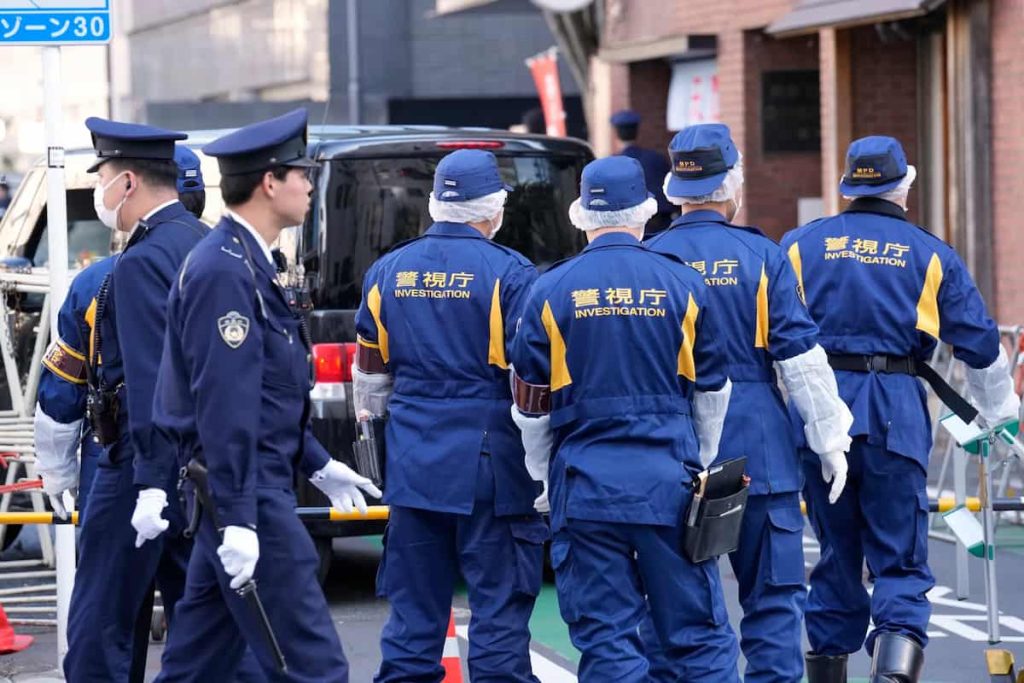
The raid, carried out by the Tokyo Metropolitan Police on July 3, targeted a high-rise apartment believed to have been operating as an underground poker venue since April. Authorities say the operation generated around 46 million yen (approximately $283,000) in just three months through commissions charged on every hand played.
While poker remains hugely popular across Japan, real-money games operated outside the country’s legal framework continue to attract police attention, particularly when there are suspicions that criminal organizations may be benefiting financially.
Luxury Apartment Allegedly Hosted Illegal Poker Games
According to investigators, the venue charged players a 10% commission on each hand, with fees capped at 4,000 yen per game.
Police arrested:
- The suspected owner
- The venue manager
- Five additional staff members
- Seven customers who were present during the raid
Authorities identified the alleged operator as Yuji Sakugawa, a 49-year-old self-employed resident of Fujisawa in Kanagawa Prefecture. The on-site manager was named as Masashi Takahashi, 40, who reportedly has no fixed address.
Local reports indicate that all 14 individuals have admitted to the allegations.
Possible Yakuza Connection Under Investigation
While the arrests themselves relate to operating an illegal gambling venue, investigators are now focusing on where the profits ultimately ended up.
Police are examining whether some of the revenue generated by the poker games was funneled to yakuza organizations, Japan’s long-established organized crime groups.
If proven, the case would highlight how underground gambling operations can serve as funding sources for wider criminal activity beyond the games themselves.
Illegal Poker Remains a Target for Japanese Authorities
Japan has traditionally maintained strict gambling laws, with only limited forms of betting permitted under specific legislation. As a result, underground poker clubs continue to operate in major cities, periodically becoming the focus of police investigations.
The alleged Shinjuku operation is notable not only because of the scale of its reported earnings but also because it operated from a luxury residential property rather than a traditional commercial venue.
Authorities believe the apartment had been active for only around three months before being shut down.
Latest Gambling Enforcement Across Asia
The Tokyo investigation comes just days after authorities in Macau detained two mainland Chinese nationals in separate casino-related incidents involving suspected proxy betting.
In one case, police alleged a man concealed a mobile phone beneath his clothing to livestream baccarat games to remote bettors. The suspect reportedly claimed he was simply “testing” the equipment.
The two cases underline the continued focus by law enforcement agencies across Asia on illegal gambling operations and activities that fall outside licensed gaming regulations.
As the Tokyo investigation continues, police will seek to determine whether the poker club was an isolated illegal business or part of a broader organized criminal network operating behind the scenes.