WSOP presenter Jeff Platt has acknowledged a significant omission from the 2026 World Series of Poker broadcast schedule: crucial bracelet chases involving Daniel Negreanu and Phil Hellmuth were not shown as prominently as fans reasonably expected.
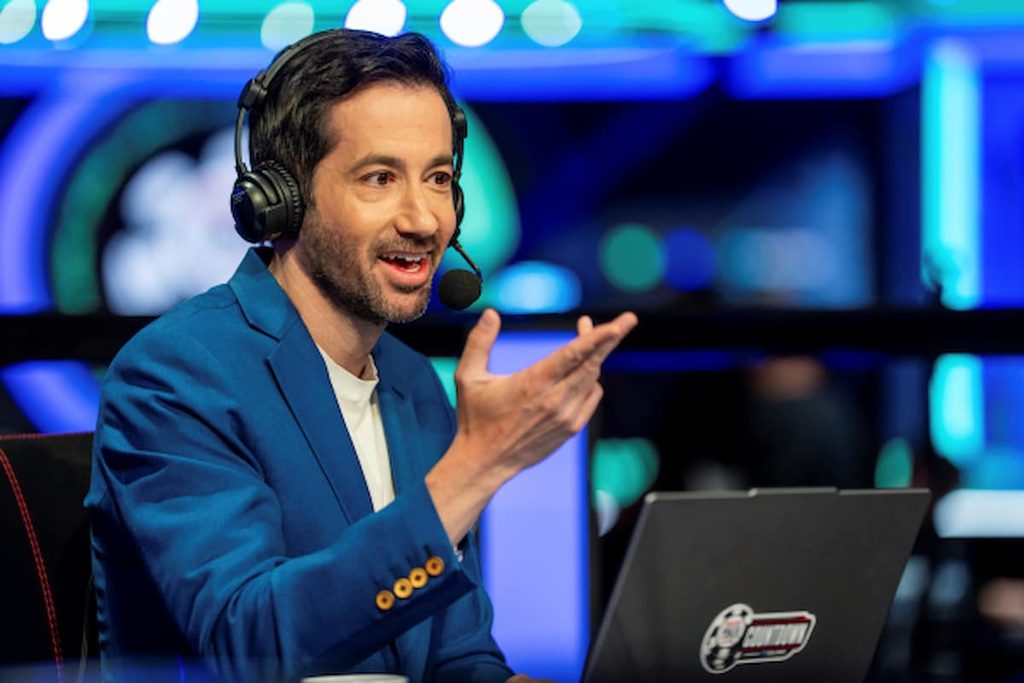
In an October 12 interview with PokerOrg’s Craig Tapscott, Platt argued that when either superstar reaches the late stages of a bracelet event, the production should find a way to cover it. That is a notable admission from a leading voice on the WSOP’s own coverage, not merely an outside complaint from disappointed viewers.
Why those bracelet runs mattered
Negreanu’s quest for a ninth WSOP bracelet and Hellmuth’s push toward an 18th are stories with significance well beyond the particular event or poker variant. Their records, public profiles and longstanding rivalries create stakes that casual viewers can understand immediately.
The point is not that stars deserve different tournament rules or more camera time at the expense of the game. It is that landmark sporting moments are part of poker history and are often most valuable when broadcast live. PokerType’s Phil Ivey profile offers another example of how individual legacies add meaning to World Series coverage.
What went wrong in 2026?
Platt explained that the bracelet moments came during Main Event production, when the broadcast operation had shifted to a different setup involving Omaha Productions. The problem was timing and planning rather than a claim that the WSOP deliberately excluded the players.
In hindsight, Platt said, the team should have had contingencies for such late-stage runs. A Main Event understandably receives extensive resources, but a major side-event final table can become the biggest poker story of a given day. Coverage planning needs to reflect that unpredictability.
The problem was bigger than television
Platt also addressed complaints from people attending the series in person. Spectators standing near featured tables and finals sometimes lacked screens positioned to show them what was happening. A packed poker rail creates atmosphere only when the crowd can understand the action unfolding in front of it.
Organizers discussed improving monitor placement and the viewing experience for 2027. For fans who cannot see community cards, betting action and chip counts clearly, cheering becomes difficult. Better physical infrastructure is therefore part of the same problem as broadcasting additional tables online.
Could mixed-game players finally get more airtime?
Platt suggested future WSOP coverage would include more mixed games, while explaining the difficult commercial choice between specialists’ events and the higher-viewership No-Limit Hold’em product. He noted that Pot-Limit Omaha generally attracts less viewing than Hold’em, with mixed games typically drawing less again.
That logic makes sense for a single main broadcast, but it leaves an uncomfortable question. If the only consistent metric is immediate audience size, less familiar poker variants may never receive the exposure required to build an audience. A better answer may be more than one simultaneous stream, each serving different interests.
What a customizable WSOP broadcast might look like
Platt envisages a viewing experience in which fans choose which table or event to watch, comparing it to sports fans selecting between simultaneous games. He was careful not to guarantee this in 2027, but described a horizon of roughly two years for more customizable coverage.
Such a system could help solve the Negreanu-Hellmuth problem. The primary feed could follow the Main Event while a secondary channel showed a historic bracelet chase. Fans could find the action they value rather than depend entirely on a producer’s single editorial choice.
The challenge for poker content creators
The WSOP’s options matter beyond its own channels. Streamers, commentators, analysts and journalists need accessible coverage to explain hands, build stories and bring new fans into the game. PokerType’s creator directory and Poker TV hub reflect how much poker discovery now happens away from conventional television.
We have also covered how live-event results can generate stories long after the cameras stop, including Calvin Anderson’s eighth bracelet and Mike Leah’s remarkable bracelet run. The problem for poker is that some of the best footage is impossible to recreate afterward.
An opportunity, not just a complaint
Platt’s interview praised the improvement in broadcasts across the summer and the successful Main Event presentation. His most valuable observation, however, is that another big star’s bracelet chase must not be lost because a production schedule was fixed weeks earlier.
WSOP 2027 will be judged not just by picture quality, but by whether it can show the moments that make poker history while they actually happen. That is the standard poker fans have every reason to expect.