Alberta’s regulated online poker market opened on Tuesday, October 13, with 888 as its first operator. The launch prevents the province’s poker tables from going dark completely, but the new room sits in a player pool of its own.
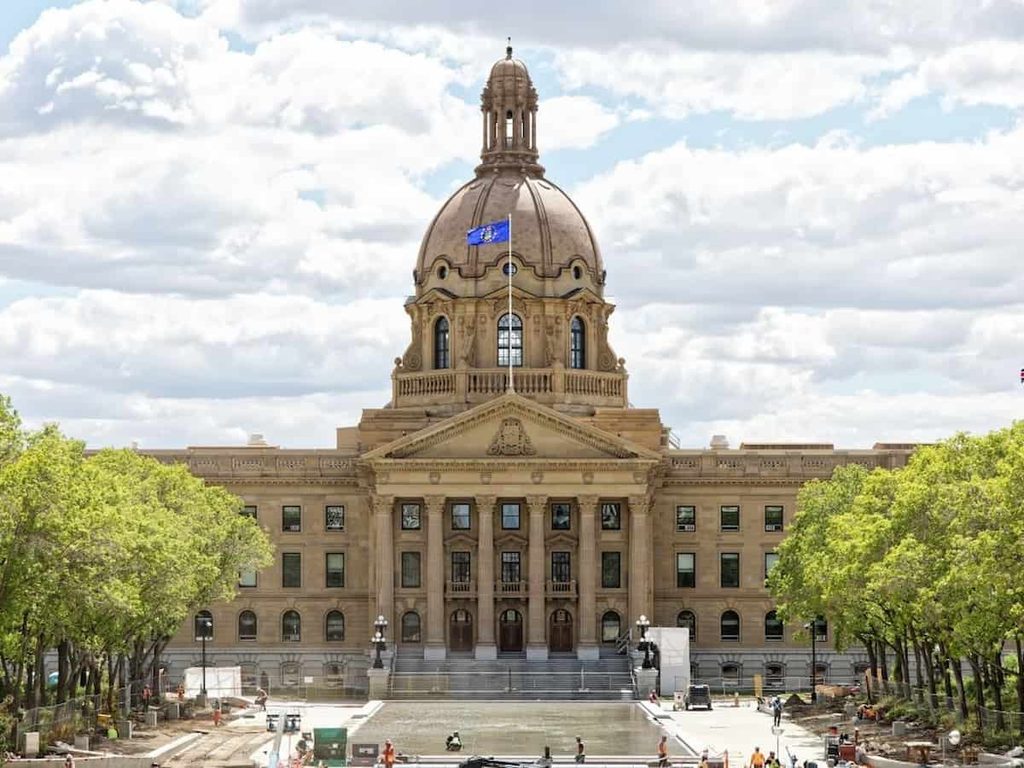
888’s Alberta poker product went live as the province’s transition period ended. Poker Industry PRO reported that players were asked to download new software and create new accounts, while an 888 spokesperson confirmed that the Alberta pool is separate from the company’s Ontario and international games.
That made the October 13 launch more complicated than a simple market opening. Alberta now has a locally regulated poker option, but its players cannot join the larger pools that can support more active tables, tournament fields and choice of stakes.
How did Alberta get here?
Alberta’s regulated online gaming market began operating on July 13, 2026. Operators had a three-month transition period to bring services under the province’s licensing framework or stop serving customers through their previous international platforms. The deadline arrived without an announced Alberta-Ontario or international player-pooling arrangement.
Our earlier report, PokerStars’ Alberta exit announcement, covered the first confirmed withdrawal. The addition of 888 makes this a wider market story rather than an isolated business decision. PokerType previously explored Alberta’s online poker plans and 888’s earlier interest in the province.
Why casino games and poker are not the same
A casino operator can offer many games using software-generated outcomes without requiring thousands of simultaneous customers in the same product. Poker is different. Each cash game seat must be occupied by another player, and scheduled tournaments become less attractive when fields shrink and guarantees disappear.
Alberta has a population of roughly five million people, which is a difficult standalone base from which to develop a broad ring-fenced poker ecosystem. The number does not mean local poker is technically impossible. It explains why an independent market may struggle to deliver the game selection, competition and tournament scale customers previously enjoyed.
What is shared liquidity?
Shared liquidity lets players in different permitted jurisdictions enter the same cash games or tournaments while the participating operators remain subject to applicable regulation. A guaranteed prize pool becomes easier to support when several player pools are combined, and waiting times at less popular stakes can improve.
Ontario has operated a separately regulated online gaming environment since 2022. A potential Ontario-Alberta pooling arrangement and the separate question of international pooling have become entangled with legal and regulatory debates. Neither concept should be presented as an agreement already in force.
What changed on October 13?
PokerStars’ international poker service became unavailable to Alberta players on October 13, with no regulated relaunch date announced. 888 also ended its international service in the province, but it reopened through a locally licensed poker product on the same day.
Poker Industry PRO reported that players needed to download new software and create new 888 accounts. Players should check official operator notices for account access, funds, tournament entries and any remaining rewards; the launch does not mean old accounts or balances have automatically transferred to the new platform. PokerType’s online poker information hub explains how we assess poker rooms, but availability and legality must be checked by province.
The Supreme Court case could shape what comes next
On October 7, Canada’s Supreme Court heard arguments on Ontario’s proposed international shared-liquidity model. Its decision was reserved. A favorable outcome might eventually expand options for provincially regulated poker, but would not automatically create a new Alberta player pool the following week.
The launch closes the immediate gap, but not the liquidity problem. Alberta has regulated poker online while its first room remains separate from larger player pools, leaving the next stage dependent on provincial agreements, operator decisions and the eventual court ruling.
What Alberta players should watch next
The next developments to watch are other licensed poker launches, any Alberta-Ontario agreement covering shared liquidity and the eventual Supreme Court ruling. None of those steps has a confirmed timetable.
For a wider look at Canada’s market, read PokerType’s history of Canada’s changing poker landscape. Alberta has avoided a complete poker shutdown, but its first regulated room opens without access to Ontario or international liquidity. The test now is whether a provincial-only pool can offer enough choice to keep players active while the broader market takes shape.