The debate surrounding the Poker Hall of Fame has taken another twist after high-stakes star Bryn Kenney publicly questioned the current voting process, arguing that Justin Bonomo’s credentials should make him an automatic inductee.
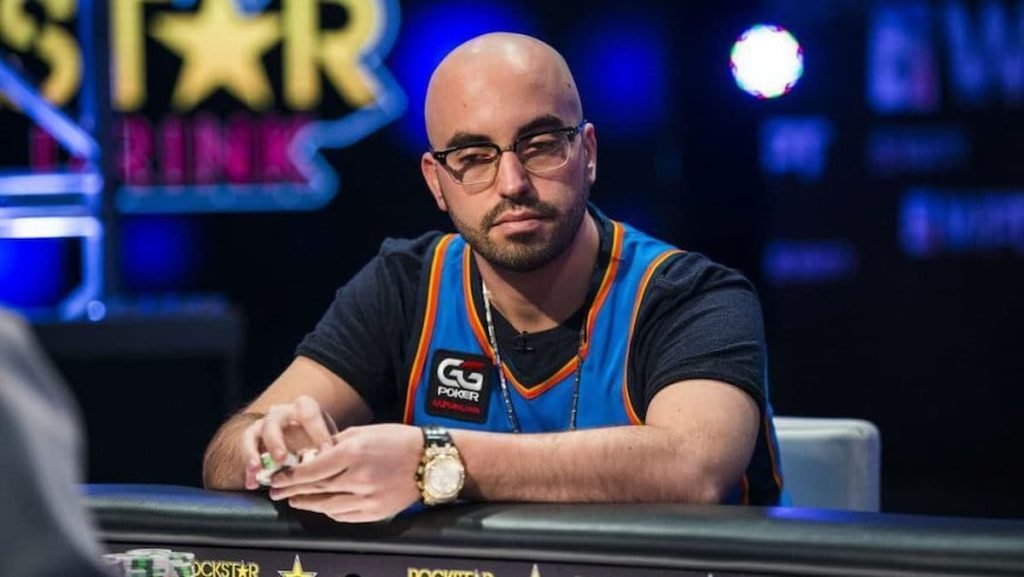
Kenney’s comments have reignited one of poker’s biggest annual discussions: what actually makes a Hall of Fame player?
With a new-look voting system in place for 2026 and one of the strongest nomination lists in recent memory, the decision facing Hall of Fame voters has become even tougher.
Why Bryn Kenney Entered the Debate
Speaking about this year’s ballot, Kenney suggested that if Justin Bonomo cannot earn induction, it raises serious questions about the standards being applied.
While Kenney himself is not eligible for the Hall of Fame until next year due to the minimum age requirement of 40, his opinion carries weight. He currently sits at the top of poker’s all-time live tournament money list, with more than $80 million in recorded live earnings, giving him a unique perspective on what sustained excellence looks like.
His comments quickly spread throughout the poker community as players and fans once again began comparing tournament success, bracelets, longevity and overall influence on the game.
Justin Bonomo’s Hall of Fame Case
Few active players possess a poker résumé as complete as Justin Bonomo’s.
Over nearly two decades, Bonomo has established himself as one of tournament poker’s most consistent performers, building one of the highest live earnings totals in history while winning across the biggest events on the global calendar.
His achievements include:
- Multiple World Series of Poker bracelets.
- Victories in some of poker’s highest buy-in tournaments.
- Tens of millions of dollars in live tournament winnings.
- Consistent success across the WSOP, Triton Poker and Super High Roller circuit.
- More than 15 years competing at the highest level.
For many fans, those achievements already satisfy every traditional Hall of Fame requirement.
A Stronger Hall of Fame Ballot Than Ever
Part of the controversy stems from the quality of the 2026 shortlist.
This year’s finalists include several players who many believe would have been worthy first-ballot Hall of Famers in previous years, creating one of the deepest fields in Poker Hall of Fame history.
The shortlist features:
- Justin Bonomo
- Shaun Deeb
- Jason Koon
- Isaac Haxton
- Chris Moorman
- Scott Seiver
- Mike Matusow
- Isai Scheinberg
Rather than choosing between one obvious favourite and several outsiders, voters are instead being asked to separate eight candidates who have all left significant marks on modern poker.
The Voting Rules Have Changed
The Hall of Fame 2026 voting process has undergone an important update.
Instead of guaranteeing just one new inductee, nominees who receive support from at least two-thirds of the living Hall of Fame members can now be inducted in the same year. The change was introduced to help ease the growing backlog of deserving candidates.
Many within poker had argued that the previous system left elite players waiting years despite already having Hall of Fame-worthy careers.
Whether the revised format goes far enough remains a matter of debate.
What Makes a Poker Hall of Famer?
Unlike many sports, poker greatness cannot be measured by a single statistic.
Tournament earnings continue to rise as buy-ins and prize pools grow larger, while bracelets alone don’t always tell the whole story. Cash game specialists, online legends and industry pioneers often have very different careers despite all contributing enormously to poker.
Most Hall of Fame discussions usually centre around several key factors:
- Longevity at the highest level.
- Success against elite competition.
- Major tournament victories.
- Overall contribution to the game.
- Respect from fellow professionals.
It’s this final category that often makes Hall of Fame voting so fascinating. Numbers can tell much of the story, but reputation inside the poker world still matters.
Could This Become One of the Most Important Hall of Fame Votes?
Regardless of who is eventually inducted, the 2026 vote could become one of the most significant in recent years.
A generation of modern poker stars has now reached Hall of Fame eligibility, meaning voters must compare players who dominated different eras, formats and buy-in levels.
Kenney’s defence of Bonomo reflects a wider conversation taking place across poker: should extraordinary tournament results be enough on their own, or should Hall of Fame recognition represent something broader?
The answer will become clear when this year’s voting concludes, but one thing is certain—the debate over who deserves poker’s highest honour is unlikely to disappear anytime soon.