Argentina could be heading for a major shake-up in online poker after a provincial senator introduced legislation that would ban real-money games across Buenos Aires Province. Poker is specifically named in the proposal, meaning cash games and online tournaments would be caught by the restrictions.

Senator Federico Fagioli, from the Fuerza Patria political coalition, introduced the bill on October 19. Nicknamed the “Lula Law,” it follows Brazil’s recent crackdown on online gambling and would scrap the licensing system currently operating in the province.
The proposal is not yet law, but it raises questions for Argentina’s poker community. Players could lose access to regulated online games, while licensed operators would have to close their doors to customers in the province.
What Would Argentina’s Online Poker Ban Change?
Fagioli wants to repeal Chapter VIII of Provincial Law 15,079, which provides the legal framework for licensed online gambling. His proposal would prohibit online poker, blackjack, roulette, slots and sports betting, while leaving traditional lotteries and certain other games available.
If approved, operators would face a short timetable to shut down their services.
| Deadline after law takes effect | Proposed requirement |
|---|---|
| Immediately | Stop accepting new gambling deposits |
| Within 10 days | Stop new games and block provincial users |
| Within 10 days | Remove advertising, bonuses and sponsorships |
| Within 30 days | Return remaining player balances |
| Within 30 days | Report outstanding bets, winnings and refunds to regulators |
For poker players, the issue goes beyond losing a favorite cash-game table. Online tournament schedules, qualifying satellites and access to regulated games could also be affected.
Fagioli argues that smartphones and round-the-clock access have made gambling harder to control. His position is that existing licensing and responsible gambling measures are no longer sufficient to address gambling-related harm.
Argentina Has Produced Some of Poker’s Biggest Names
Argentina isn’t some small poker market with a handful of recreational players. It has produced world champions, high-stakes regulars and players who have won millions at the biggest events on the calendar.
| Argentine poker player | Notable achievement |
|---|---|
| Damián Salas | 2020 WSOP Main Event champion, $2,550,969 |
| Nacho Barbero | 2022 WSOP $10K Super Turbo Bounty winner, $587,520 plus bounties |
| Maria Lampropulos | 2018 PCA Main Event champion, $1,081,100 |
| Alejandro Lococo | 7th in the 2021 WSOP Main Event, $1,225,000 |
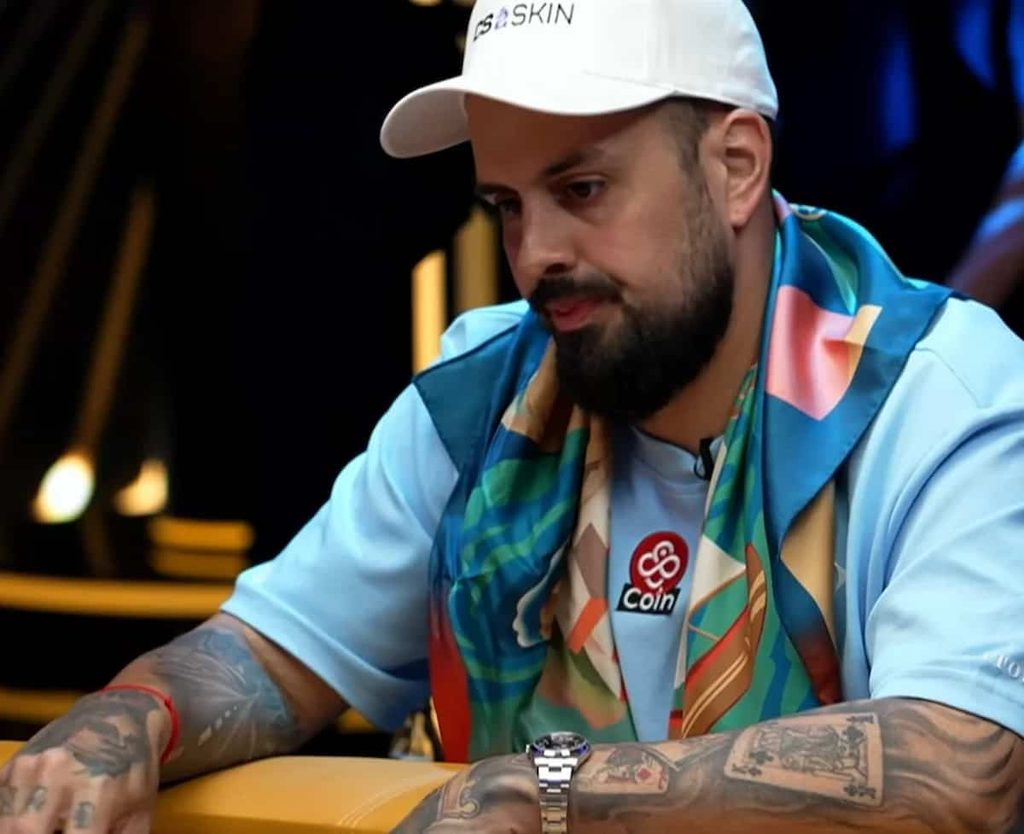
Salas is a particularly relevant name in this debate. His 2020 World Series of Poker Main Event title came through a hybrid online and live format, with the Argentine eventually beating Joseph Hebert heads-up to become world champion.
Barbero is another established name who has spent years battling in high-stakes tournament fields. Meanwhile, Lampropulos became the first woman to win the PokerStars Caribbean Adventure Main Event in 2018.
These achievements help explain why a proposed poker ban deserves attention beyond the wider gambling industry.
What About Argentina’s Live Poker Tournaments?
Fortunately for live grinders, the bill targets online gambling rather than poker played inside physical casinos.
Argentina already has a busy tournament calendar, including:
- Circuito Argentino de Poker (CAP), which held a Buenos Aires stop in March 2026.
- WSOP Circuit Rosario, scheduled for November 4-12, 2026, at City Center Rosario.
- Regular tournaments and festivals across Buenos Aires, Rosario, Bariloche and other Argentine poker destinations.
There is an important geographical distinction here. Buenos Aires City and Buenos Aires Province are separate regulatory jurisdictions, while Rosario is in Santa Fe Province.
Consequently, the proposed provincial legislation does not automatically threaten events held in those locations. The immediate question concerns online players physically located within Buenos Aires Province, rather than the country’s entire live poker scene.
Could a Ban Push Players Toward Unlicensed Sites?
Here’s where the proposal gets complicated. On October 20, Gonzalo Atanasof, president of the Buenos Aires Provincial Institute of Lottery and Casinos, told lawmakers that an estimated 80% of online gambling activity in the province already operates illegally.
That is a significant figure. It also raises an obvious question: if licensed sites are removed, where will their customers go?
The province has already been fighting unlicensed gambling. In July, authorities ordered the blocking of 537 illegal betting websites following an investigation into unauthorized operators.
Banning regulated sites might reduce access to gambling, but it could also push determined players toward offshore platforms with fewer safeguards. Players using those sites could face additional problems involving withdrawals, identity checks and disputed funds.
It’s a similar regulatory concern to the issues surrounding Australia’s action against illegal online poker operators, although the two countries have different legal frameworks.
What Happens Next?
Fagioli’s proposal joins several other gambling bills being considered in Buenos Aires Province. Those competing proposals largely focus on tighter regulation, advertising restrictions and protecting minors, rather than removing licensed online gambling altogether. For now, there is no approved provincial online poker ban and no confirmed shutdown date.
The next move belongs to lawmakers. Argentina’s poker players will be watching to see whether politicians choose stricter regulation or decide to pull the plug on real-money online games altogether.
Sources: Buenos Aires Provincial Law 15,079, Yogonet’s report on the proposed legislation, and the provincial regulator’s announcement on illegal gambling sites.