A licensing dispute involving a small African island, British businessmen and almost 1,500 offshore gambling license holders has raised uncomfortable questions for the online poker industry. Several poker-branded platforms appear on the disputed register, potentially leaving players wondering exactly who regulates the games they’re playing.
The government of Comoros is challenging a licensing operation using the name of Anjouan, an island in the Indian Ocean. An investigation published on October 19, 2026, reveals that Comorian authorities consider the operation unauthorized and have requested assistance from British law enforcement.
Poker Rooms Appear on the Disputed Licensing Register
The controversy extends beyond online slots and sportsbooks. Anjouan Gaming, the organization whose regulatory authority is being challenged, explicitly lists poker among the activities covered by its internet gambling licenses.
A review of its publicly indexed licensing records reveals several poker-related domains associated with companies holding Anjouan licenses.
| Listed company | Poker-related domains | Listed license |
|---|---|---|
| WP Software Solutions Ltd | banana.poker, kothpoker.com, legionpoker.com, we-play.poker | ALSI-152406049-FI4 |
| Highcard Software SRL | blockchain.poker, ecash.poker | ALSI-202511029-FI2 |
WP Software Solutions is recorded as holding a combined business-to-business and business-to-consumer license, while Highcard Software is listed as a consumer-facing operator. The entries demonstrate that poker-related businesses are part of the Anjouan licensing ecosystem, rather than the controversy being limited to traditional online casinos.
Importantly, appearing on this register does not establish wrongdoing by any named company. Nor does it prove that these platforms accept British customers, lack licenses elsewhere, or have failed to meet their obligations. The issue is whether the Anjouan authorizations themselves have the legal standing claimed by their issuer.
Why This Matters More for Poker Than Slots
Poker is different from most casino games because customers compete against each other rather than simply playing against the house. This creates additional integrity responsibilities for operators, particularly around collusion, suspicious transfers of value and the movement of money between accounts.
In its July 2026 money-laundering risk assessment, the UK Gambling Commission specifically classified peer-to-peer poker as a high-risk product. The regulator highlighted the potential for collusion and the movement of funds between customers, giving the product a risk score of nine out of nine. That concern is directly relevant to the Anjouan controversy, although it is not evidence that any operator on the register has facilitated financial crime.
For poker players, the questions go beyond the fairness of the shuffled deck. Operators must also be able to identify suspicious accounts, detect coordinated play and investigate patterns that could indicate money being deliberately transferred across the table. Consider two accounts repeatedly playing heads-up, with one making unusual decisions that consistently benefit the other. That could be poor poker, an unusual playing style or something more concerning. A competent security team needs the tools and procedures to distinguish between them.
The same applies to automated play, prohibited software, multi-accounting and suspicious tournament activity. When a poker site advertises a license, players reasonably expect there to be meaningful accountability behind those promises.
The British Business Connection
The Guardian’s investigation identifies links between the licensing operation and members of the Sorsky family, whose business interests include the London-based Sherm Group.
Public corporate records examined in the investigation connect family members with ACS Global Custodian, a business associated with Anjouan Corporate Services. The latter has advertised assistance with obtaining offshore licenses for approximately £19,000.
The investigation reports that ACS Global Custodian’s cash balance increased from £13,130 to approximately £614,826 in 2025, a period coinciding with growing demand for Anjouan licenses.
However, the company’s involvement in gambling licensing is disputed. Harold Sorsky denied that ACS had issued or provided gaming licenses since the family took over the company in 2023, arguing that references connecting it to gaming applications were outdated. He also maintained that the Sherm Group and ACS were separate businesses despite sharing directors. No finding of criminal wrongdoing against the family is established by the investigation.
An Irish Poker Open Connection
There is an unusual connection to the live poker world. Elliot Sorsky, the managing director of Sherm Group, competed at the 2026 Irish Poker Open in Dublin. This was not simply a recreational appearance without a recorded result. According to the tournament’s official live reporting, Sorsky finished fifth in an event on April 3, collecting €10,600.
The tournament had 176 entries and a prize pool of €179,256. Sorsky’s run ended when he moved all-in from the button for 630,000 chips and was called by Charles Mitchell in the big blind.
His appearance establishes a personal connection to the poker scene, but it does not imply that the Irish Poker Open or its organizers had any involvement in the offshore licensing controversy.
Can an Anjouan License Legally Cover British Poker Players?
This is where the distinction between possessing an offshore license and having permission to operate becomes particularly important. The UK Gambling Commission explicitly includes poker within its remote casino licensing category. Operators providing online poker to customers in Great Britain require appropriate British authorization, regardless of where the business is established.
A license issued elsewhere does not replace that requirement. A poker room might hold authorization from one jurisdiction yet have no legal permission to accept customers in England, Scotland or Wales.
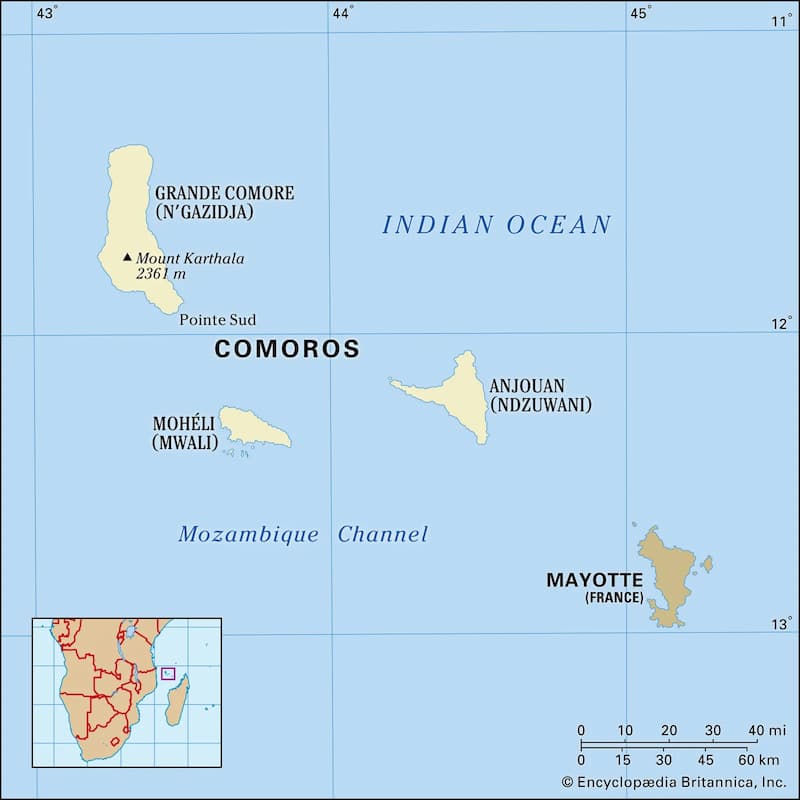
The Comoros dispute adds another complication. Its central bank reportedly considers the licensing regime an illegal use of the country’s name, directly challenging the basis on which the licenses are advertised. There is also an important distinction between the licensee and the licensing authority. A company can appear on an online register without that register necessarily demonstrating that the issuing organization has recognized governmental authority.
Players should therefore distinguish between a site’s claim to be licensed, the legal legitimacy of the issuing body and the particular countries in which the operator is permitted to offer games.
Crypto Poker and the Problem of Player Protection
The disputed register contains numerous cryptocurrency gambling businesses. That makes the situation particularly relevant to the growing number of poker platforms offering digital-currency deposits and withdrawals. Cryptocurrency is not inherently evidence of an unsafe poker operation. However, payment methods and licensing arrangements can affect how readily a player can recover funds or resolve a dispute.
For example, what happens when a player wins a five-figure tournament prize but the operator freezes the account pending an investigation? Who independently reviews the decision, what contractual protections apply and which authority can intervene if the operator refuses to pay?
At British-licensed operators, customers have access to a formal complaints process and approved independent alternative dispute resolution for qualifying complaints. Offshore players cannot assume equivalent arrangements exist or can be enforced.
Even British regulation does not guarantee the recovery of every penny if a gambling company becomes insolvent. The Gambling Commission requires disclosure of customer-fund protection levels, which is why bankroll security deserves attention alongside the games and promotions.
Our approach to reviewing poker rooms considers licensing, account conditions and withdrawal rules as well as software and tournament offerings.
Why Operators Are Moving Away From Curaçao
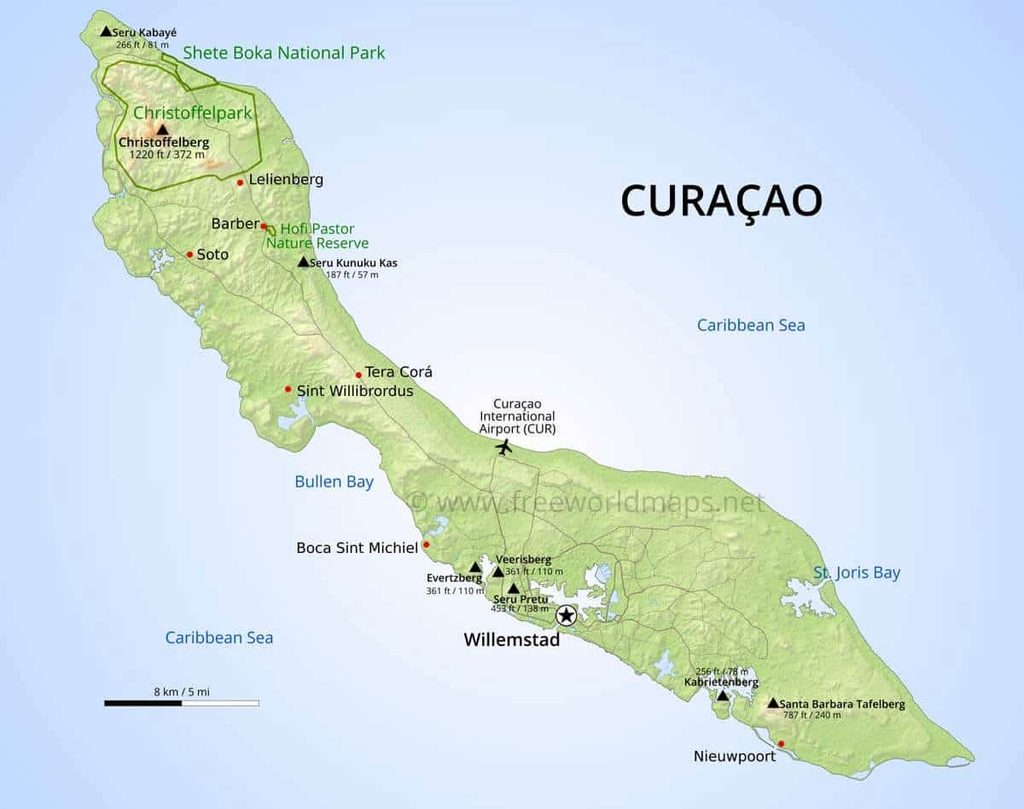
For years, Curaçao has been a familiar jurisdiction in the international online gambling industry. However, regulatory changes have increased compliance requirements and scrutiny of companies operating under its licenses.
The Guardian investigation describes Anjouan as a cheaper alternative attracting operators from the Caribbean jurisdiction. Industry sources quoted in the report contrasted an approximate £80,000 Curaçao licensing cost with around £20,000 for Anjouan.
Cost alone does not establish whether a regulator is effective. A more useful test is what happens after a license has been issued, particularly when player complaints, suspicious transactions or breaches of operating rules arise.
For poker, that means asking whether an independent authority can investigate an operator, demand information, impose sanctions and ensure that players have an avenue for resolving legitimate disputes. An attractive licensing certificate means little if nobody with recognized authority stands behind it.
What Should Online Poker Players Check?
The Anjouan situation provides a timely reminder that selecting an online poker room should involve more than comparing rakeback percentages and tournament guarantees.
Before depositing, players should establish:
- Who holds the license? Identify the operating company and its actual licensing authority, not simply a logo displayed in the footer.
- Can the site accept players from your country? Check the operator’s permissions and applicable regional restrictions.
- What protects your bankroll? Look for published information about player funds, account balances and insolvency.
- How is cheating investigated? Find out what the operator says about collusion, bots, multi-accounting and disputed results.
- Who handles unresolved complaints? Establish whether a genuinely independent dispute process exists and can be enforced.
- Are withdrawals subject to additional conditions? Review identity checks, processing rules and any restrictions before depositing.
For British players, the Gambling Commission’s public register provides a starting point for checking an operator’s regulatory status.
A Wider Problem for Online Poker’s Reputation
There is a larger industry question here. Online poker depends on players trusting that an operator will run fair games, protect the competitive environment and pay legitimate winnings.
The Gambling Commission’s own enforcement figures demonstrate that unlicensed gambling is already a substantial regulatory problem. Between April and June 2026, it referred 147,721 URLs to search engines and issued 217 cease-and-desist notices to illegal operators, according to its published enforcement data. Those figures concern the wider illegal gambling market and do not identify the poker businesses named above.
Comorian authorities are now seeking international cooperation over a licensing structure that has attracted operators from across the gambling industry. The outcome could have implications for companies relying on Anjouan authorizations, although any consequences will depend on the applicable laws and individual circumstances.
For poker players, the conclusion is straightforward. A license printed at the bottom of a website is only as valuable as the legal authority and meaningful oversight behind it.
Original investigation: Rob Davies, The Guardian, October 19, 2026.