The Supreme Court of Canada heard a case on October 7, 2026 that could determine whether players in Ontario’s regulated online poker market can eventually compete against opponents outside Canada. The court reserved its judgment, which means there is no new authorization to combine international player pools today.
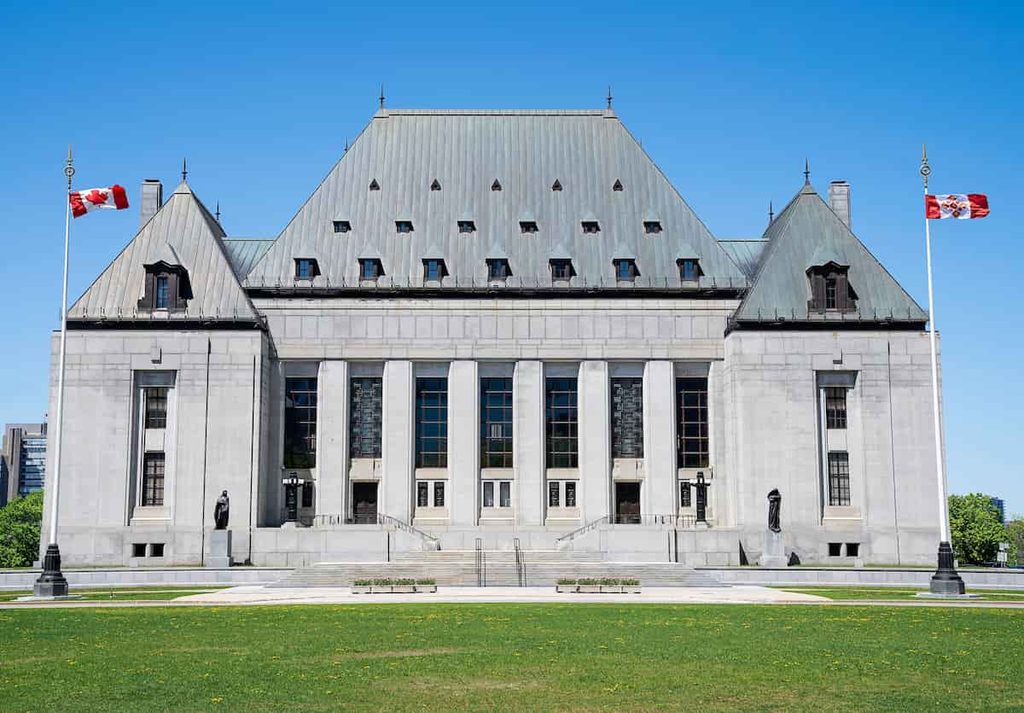
The case is Atlantic Lottery Corporation and others v. Attorney General of Ontario, file 42141. Its practical importance extends beyond one province: Alberta’s newly regulated market is also watching the implications for poker liquidity, where the ability to find enough opponents directly affects the value and viability of a platform.
What did the Ontario court decide in 2025?
In November 2025, Ontario’s Court of Appeal ruled by a 4–1 majority that a proposed model for allowing Ontario participants to play peer-to-peer games with people abroad could comply with federal law, provided the province continued to conduct and manage the gaming operation.
The ruling did not itself join international poker networks. Lottery corporations appealed, arguing that the federal Criminal Code puts geographic limits on provincial gaming operations. The Supreme Court is now examining that dispute rather than deciding which poker operator should be permitted to launch which tournament.
The Criminal Code
Section 207(1)(a) of Canada’s Criminal Code allows a provincial government to conduct and manage a lottery scheme within the province. The central legal question concerns the meaning and practical requirements of conducting and managing games “in that province” when some participants are elsewhere.
For a traditional slot game, the location of a remote opponent is usually irrelevant. In Texas Hold’em and other peer-to-peer poker games, opponents are essential. Ontario argues that provincial control of regulated operations can coexist with players outside its borders. The appellants question whether that satisfies the federal statutory framework.
Who took part in the hearing?
The Supreme Court’s published counsel sheet lists the Atlantic Lottery Corporation and other appellants, the Attorney General of Ontario as respondent, and interveners including Flutter Entertainment, NSUS Group, the Canadian Gaming Association and the Attorney General of Alberta. Flutter is associated with PokerStars, while NSUS is associated with GGPoker.
The presence of major operators reflects the commercial implications, but it does not mean the justices were asked to approve a particular poker site’s business model. The legal issue is the province’s authority and level of control under the Criminal Code.
What could a favorable ruling change?
More players typically mean a stronger cash-game schedule, a better chance of finding opponents at off-peak hours and larger tournament fields. A wider pool may also make guarantees more sustainable and create more choice in formats such as Pot-Limit Omaha and mixed games.
This is particularly important for high-stakes and niche games, where even a small increase in active players can change whether a table runs. But bigger fields can also mean tougher competition, and the benefits will depend on fees, game integrity, customer protections and how operators implement any pooling arrangements.
A win in court would not switch everything on overnight
Even a ruling favorable to Ontario would leave work for governments and regulators. There may need to be agreements between jurisdictions, approved technical systems, compliance checks, revised operating conditions and decisions about which player pools can legally connect.
The Supreme Court could also disagree with the Court of Appeal or issue a narrower decision than operators anticipate. Any statement claiming that Ontario players can already return to global tables because the October 7 hearing happened would be premature.
Why Alberta is involved
Alberta’s regulated gaming framework went live in July 2026, but local poker services face a difficult transition as operators leave offshore offerings on October 13. The immediate story is covered in PokerType’s PokerStars Alberta report and our broader Alberta poker market analysis.
The contrast is stark. A province can build regulatory infrastructure quickly, but it cannot manufacture a deep pool of poker opponents on demand. Alberta’s participation in the case underlines why the judgment may have implications well beyond Ontario.
What should players follow?
Look for the Supreme Court’s judgment, any subsequent regulatory statements from Ontario and Alberta, and confirmed operator plans. It is not possible to give a reliable date for international player pooling until those steps occur. This is a legal ruling with a straightforward poker consequence: more opponents may become accessible, but only if the law and regulators permit it.